

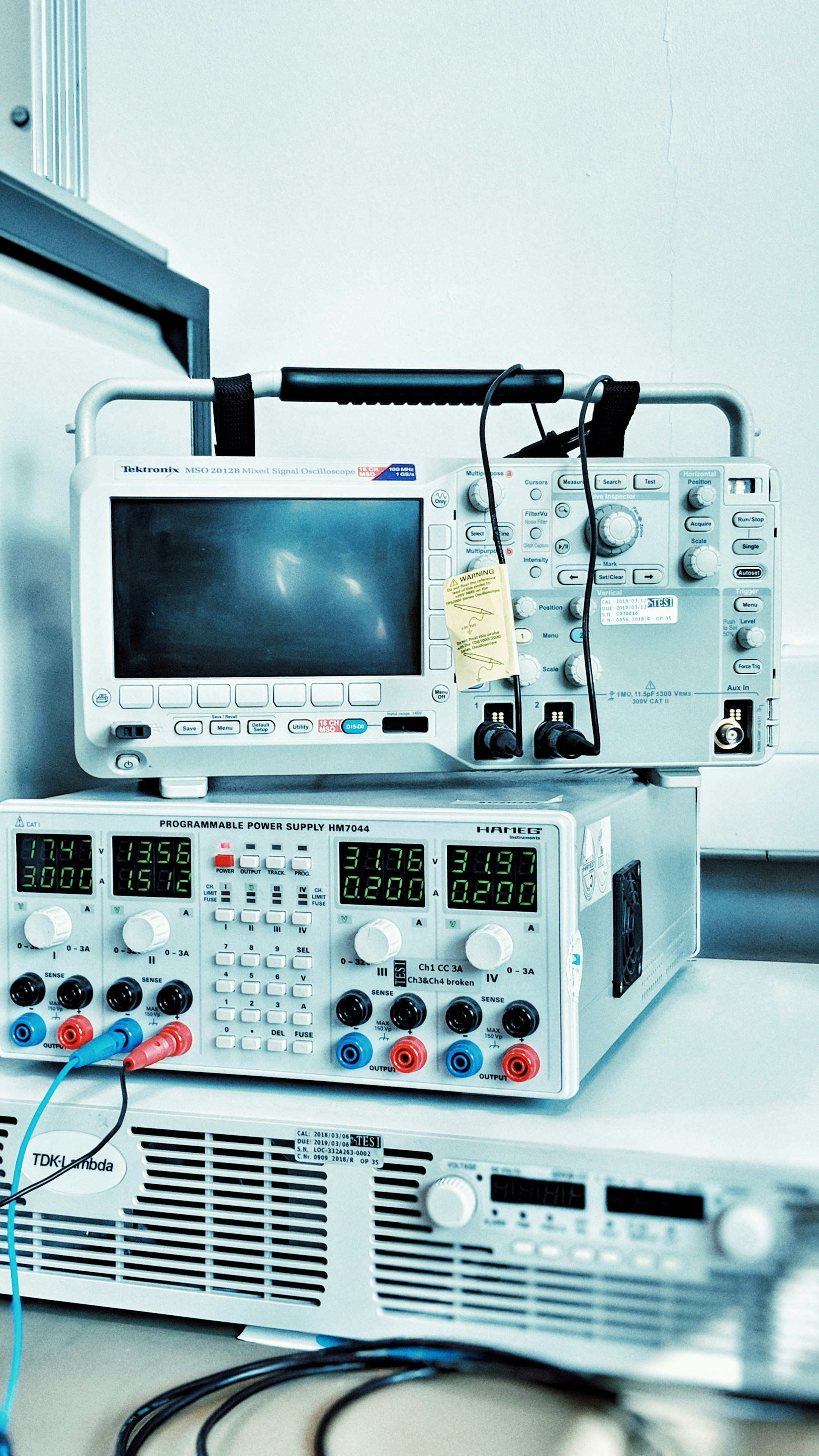
What is an Electronic DC Load?
An electronic DC load is a vital instrument in the realm of electrical testing and measurement, specifically designed to simulate various operational conditions encountered in real-world electrical systems. By allowing for precise control over current and voltage levels, electronic DC loads serve a crucial role in evaluating the performance and reliability of power supplies, batteries, and other electrical components.
The basic structure of an electronic DC load typically includes programmable current sinks that can adapt to varying electrical loads. These devices enable engineers to conduct tests under controlled conditions, emulating the behavior of actual electrical components when subjected to different operational scenarios. The ability to adjust parameters such as current and voltage levels makes electronic DC loads especially beneficial in the development and validation of advanced power electronics.
One of the primary functions of an electronic DC load is to provide a means of testing how power supplies respond to dynamic loads. This is crucial for identifying potential failures or inefficiencies within a system. For instance, during testing, an electronic DC load can simulate the draw of a battery or capacitor, thereby providing insights into how the system will operate under varying conditions. Such testing is essential for industries where ensuring reliability and performance is paramount, such as in renewable energy systems, aerospace, and telecommunications.
Moreover, electronic DC loads are equipped with advanced features like data logging and remote control capabilities, which enhances their utility in system analysis. This integration of technology not only facilitates thorough testing but also aids in optimizing designs by identifying performance limitations and areas for improvement. Overall, the electronic DC load stands as an indispensable tool in the advancement of electrical engineering, helping to ensure that systems perform reliably under a range of conditions.
How Do Electronic DC Loads Work?
Electronic DC loads function by simulating real-world electrical loads, enabling the testing and evaluation of power sources under controlled conditions. These devices are primarily designed to sink current, manage voltage levels, and provide programmable testing environments for various applications. The core operational principle involves the absorption of electrical power from a source while ensuring precise control over the input parameters.
The fundamental mechanism behind electronic DC loads is the implementation of active load control. This technology allows for dynamic adjustments to the load impedance, mimicking the behavior of actual electronic components. By varying the current drawn from the source, electronic DC loads can simulate different load conditions, which is critical for assessing the performance of power supplies, batteries, and converters.
One of the widely used techniques in electronic DC loads is pulse width modulation (PWM). PWM is employed to control the effective voltage and current draw by adjusting the duration of the ON and OFF cycles. This method allows for fine-tuning of performance and energy efficiency, as it can rapidly switch between different load levels without significant power loss. As a result, PWM enables manufacturers and engineers to conduct thorough evaluations, optimizing system designs for reliability and performance.
Additionally, electronic DC loads come equipped with software interfaces that allow users to program various test scenarios. This programmability is essential for automating tests and collecting data on performance parameters such as efficiency, thermal characteristics, and stability under various operational conditions. By integrating these advanced features, electronic DC loads provide a versatile platform for testing power electronics, ensuring they meet industry standards and expectations.
Applications of Electronic DC Loads
Electronic DC loads serve a pivotal role in various sectors, offering the capability to simulate real-world electrical environments. One of the primary applications of electronic DC loads is in the testing of power supplies. Engineers utilize these devices to assess the performance and stability of power supply units under various load conditions. By adjusting the load settings, they can ensure that the power supply can handle expected classifications and loads effectively. This application is vital for manufacturers aiming to guarantee the reliability and efficiency of their products.
Another significant area where electronic DC loads are applied is in battery testing. Functionality and lifecycle assessments of batteries, particularly lithium-ion and lead-acid batteries, leverage the precision of electronic DC loads. These devices enable engineers to simulate discharge conditions, allowing for thorough evaluations of battery capacity, efficiency, and safety. This application is particularly relevant in industries such as automotive and consumer electronics, where battery performance directly impacts product reliability.
Photovoltaic (PV) systems also benefit greatly from the use of electronic DC loads. In renewable energy applications, these devices are employed to simulate the load that photovoltaic panels would experience in real-world conditions. This simulation is crucial for assessing the system’s performance, optimizing energy output, and ensuring that systems operate efficiently under varying environmental circumstances.
Furthermore, electronic DC loads are indispensable in research and development (R&D) and production environments. Their versatility in providing controlled load conditions allows researchers and engineers to explore new technologies and innovations with precision. They support a wide range of tests that are fundamental to the development of new electronic products, ensuring that they meet industry standards and consumer expectations.
In conclusion, the applications of electronic DC loads span multiple fields such as power supply testing, battery evaluations, photovoltaic systems, and extensive use in R&D and production environments. These applications underscore their crucial role in ensuring product reliability and efficiency across various industries.
Advantages and Limitations of Electronic DC Loads
Electronic DC loads have gained significant traction in various industries due to their numerous advantages. One of the primary benefits is their precision in simulating real-world loads, which allows engineers and technicians to conduct thorough testing of power sources under controlled conditions. This capability is essential for assessing the performance of photovoltaic systems, batteries, and other electronic components, ensuring they can operate effectively under varying loads.
Another notable advantage is the flexibility that electronic DC loads offer. These systems can be easily configured to emulate different types of loads, including resistive, capacitive, and inductive loads. This adaptability makes them suitable for a wide range of applications, from testing battery chargers to simulating electric vehicle charging conditions. Additionally, many electronic DC loads come equipped with advanced features such as programmable profiles and monitoring capabilities, enabling users to customize testing scenarios accurately.
Efficiency is also a hallmark of electronic DC loads. Unlike traditional resistive loads, these advanced devices can regulate energy dissipation, leading to lower operational costs and reduced environmental impact. Furthermore, they can provide real-time data on voltage, current, and power, allowing for more informed decision-making during testing and operational adjustments.
However, the use of electronic DC loads is not without challenges. One significant drawback is the initial investment, as these systems can be relatively expensive compared to conventional load solutions. This cost can deter smaller businesses or those with limited budgets from adopting electronic DC loads. Additionally, the complexity of setup and software configuration may pose a learning curve for operators, requiring additional training or expertise. Such factors can limit immediate accessibility, particularly for organizations not well-versed in advanced electronic testing systems.
In conclusion, while electronic DC loads provide precision, flexibility, and efficiency, potential users must weigh these advantages against the challenges of cost and complexity to determine their suitability for specific applications.