

Introduction to Through-Silicon Via (TSV) Technology
Through-Silicon Via (TSV) technology is an innovative solution that facilitates vertical interconnection between different layers of semiconductor devices, specifically silicon chips. TSVs are defined as vertical electrical connections that penetrate through the silicon wafer, allowing for the integration of multiple chip layers into a single package. This three-dimensional (3D) integration approach enables more compact designs, higher performance, and improved energy efficiency in electronic devices.
The significance of TSV technology in semiconductor manufacturing stems from its ability to enhance communication between circuit layers. Traditional approaches, such as wire bonding or flip-chip technologies, often face challenges related to signal integrity and heat dissipation when scaling down to smaller processes. In contrast, TSVs simplify the interconnect structure, reducing the overall length of wire connections. This shorter path leads to lower latency and higher data transmission speeds, which are critical for high-performance computing applications.
In the context of advanced computing applications, such as artificial intelligence (AI), machine learning, and data center infrastructure, TSV technology is becoming increasingly crucial. As demand for higher bandwidth and increased processing power continues to rise, the capability of TSVs to provide efficient interconnections between 3D stacked chips allows for greater integration and parallel processing capabilities. This level of performance is essential for handling the massive datasets and complex workloads inherent in modern computation.
As we delve deeper into the various applications and advantages of Through-Silicon Via technology, it becomes clear that TSV will play a pivotal role in the future of semiconductor devices, enabling groundbreaking advancements in computing performance and efficiency.
The Role of TSV in High-Performance Computing
Through-Silicon Via (TSV) technology serves a crucial purpose in the realm of high-performance computing (HPC). By facilitating the vertical interconnection of multiple semiconductor chips, TSV enables the creation of three-dimensional (3D) integrated circuits. This stacking of chips significantly enhances the processing power of computing systems and allows for more efficient resource sharing. With the increasing demand for greater computational abilities, the efficiency offered by TSV has become a fundamental aspect of modern server architectures.
The adoption of TSV technology in server configurations contributes to a notable reduction in latency. In traditional architectures, data transmission often involves longer pathways, resulting in delays that can impact overall system performance. However, TSV minimizes these delays due to its direct vertical connections, enabling data to traverse between chips almost instantaneously. This swift intercommunication is essential for applications requiring real-time processing, such as artificial intelligence and big data analytics.
Moreover, TSV architecture promotes increased bandwidth, which is critical for data-intensive computations. With the ability to support multiple pathways for data transfer, TSV significantly enhances the volume of data that can be processed simultaneously. This is particularly advantageous in high-performance computing environments where the demand for rapid data access and processing continues to rise.
In addition to performance improvements, TSV technology plays a vital role in thermal management. The stacked configuration of chips allows for advanced cooling techniques that are more effective than those employed in traditional 2D architectures. Improved heat dissipation leads to better operational efficiency and reliability of the computing systems, which is indispensable in high-performance applications.
3D Memory Stacking and High Bandwidth Memory (HBM)
3D memory stacking is an advanced technique that significantly enhances memory performance, enabling the construction of high-capacity and high-speed memory solutions. This innovative approach utilizes Through-Silicon Via (TSV) technology to interconnect multiple layers of memory chips vertically, effectively reducing the physical footprint while maximizing performance. By stacking memory die, manufacturers can create a more efficient architecture that addresses the increasing demands for data throughput in high-performance computing applications.
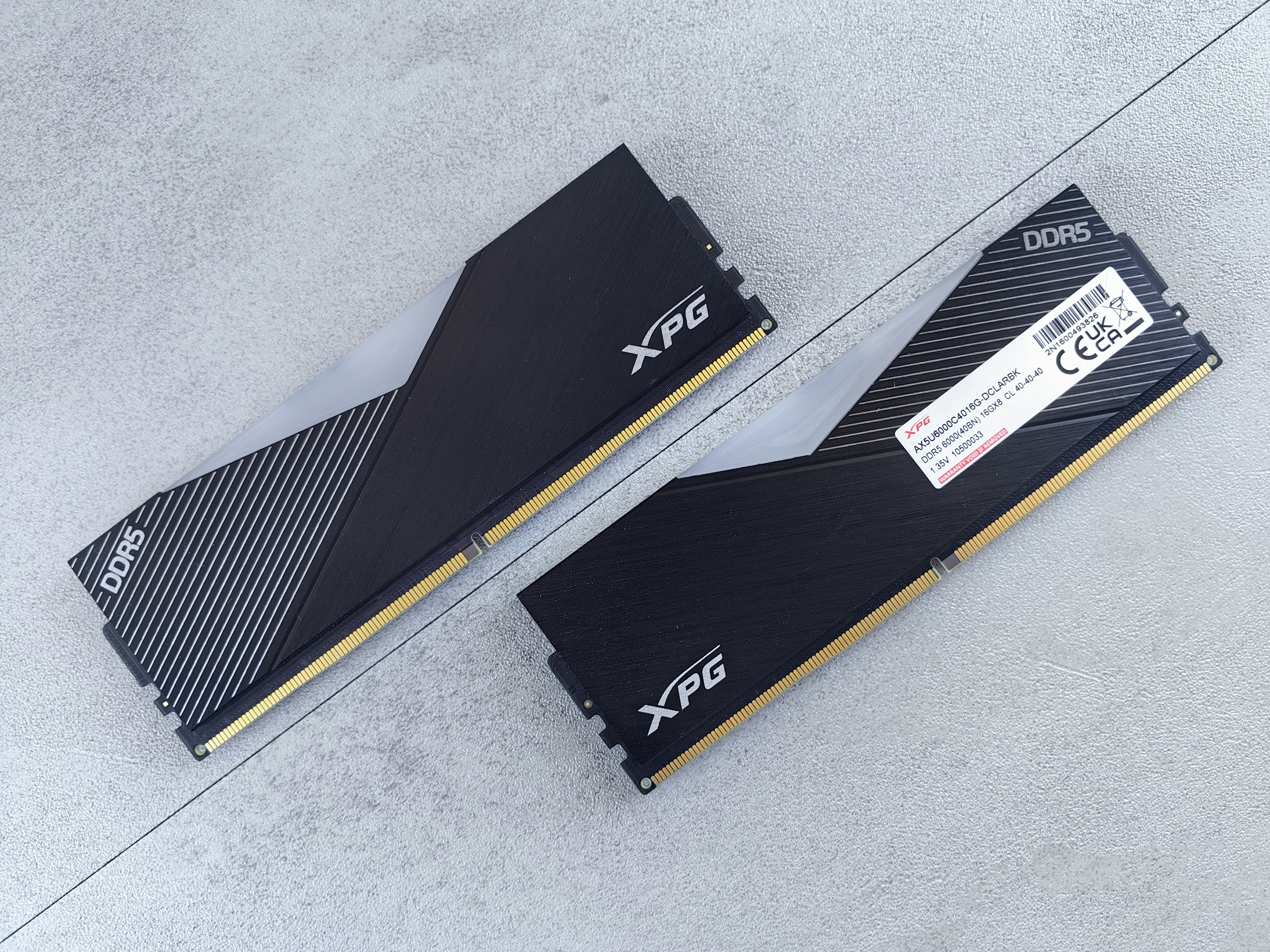
High Bandwidth Memory (HBM) represents one of the most prominent applications of 3D memory stacking. HBM is designed to provide higher data rates and lower power consumption compared to traditional memory architectures, such as DDR. The utilization of TSV technology in HBM allows for extremely fast data transfer between the layers, achieving impressive bandwidths that are crucial for performance-intensive tasks, including graphics rendering and artificial intelligence computations.
One of the primary advantages of HBM is its ability to facilitate large amounts of data to be transferred quickly, which is particularly beneficial in applications that require real-time processing of significant datasets. This enhanced performance is vital in fields ranging from gaming graphics to deep learning models, where the speed of memory access can directly impact overall system performance. Furthermore, the compact nature of 3D memory significantly reduces the space between components, which not only aids in improving thermal management but also in promoting efficient designs that contribute to the longevity of semiconductor devices.
Incorporating HBM through 3D memory stacking and TSV technology symbolizes a substantial leap forward in memory solutions, representing a strategic advancement that meets the evolving demands of high-performance computing systems. The continued development and refinement of these technologies are expected to pave the way for even more revolutionary advancements, ensuring that next-generation applications have the robust memory capabilities they require.
Applications of TSV in Image Sensors
Through-Silicon Via (TSV) technology has become an integral component in the design and functionality of modern image sensors. This innovative technology enhances image quality, reduces noise levels, and supports advanced performance in cameras and imaging devices. The utilization of TSV allows for the vertical stacking of image sensor chips, leading to shorter interconnect distances and improved electrical performance. This advancement is particularly critical in applications where high-speed data transfer is essential, such as in high-resolution photography and video capture.
One of the key benefits of TSV in image sensors is the significant reduction of noise that traditionally arises from pixel readouts. The proximity of TSV connections minimizes signal degradation, which helps deliver finer image details under various lighting conditions. Furthermore, by enabling a denser configuration of photodiodes and readout circuitry, TSV optimizes the spatial efficiency of image sensors, fostering their application in compact devices such as smartphones and tablets.
As imaging technology continues to evolve, TSV plays a pivotal role in supporting emerging trends in advanced photography. High-performance image sensors equipped with TSV are now fundamental to many professional and consumer-grade cameras, enhancing features like low-light performance and rapid autofocus. These enhancements are vital for capturing high-quality images in diverse environments. Additionally, as the demand for augmented reality (AR) and virtual reality (VR) applications grows, TSV technology helps to provide imaging solutions that require high frame rates and resolution to deliver a seamless experience.
In summary, TSV technology has revolutionized image sensor design, contributing to improved image quality, performance, and the overall functionality of modern imaging devices. As the demand for superior imaging capabilities continues to rise, TSV will likely remain a cornerstone of innovation in this field, allowing for new possibilities in photography and imaging technology.